“Gray flooring is everywhere right now, in renovation shows, on Instagram, in every other house I walk into. I like the look, but I’m honestly a little worried it’ll end up looking generic, or worse, like the cheap, flat gray I’ve seen in some rental properties. I want to know if there’s an actual way to do this that looks intentional, not just like I picked whatever was popular.”
The difference between gray that reads as intentional and gray that reads as generic almost always comes down to undertone, not the general color choice. Gray flooring ideas span a real spectrum, from warm grays with beige or taupe undertones to cool grays with a blue or even slightly purple cast, and matching that undertone intentionally to the rest of your home’s existing tones is what separates a floor that looks considered from one that looks like a default choice.
This connects to the same principles behind what generally reads as high-end rather than generic, since thoughtful color and tone decisions matter as much here as anywhere else in flooring.
Key Takeaways
- Gray isn’t one color, it’s a spectrum of undertones. Warm grays lean beige or taupe, while cool grays lean blue, and the difference genuinely changes how a room feels.
- Undertone should match your home’s existing tones, not be chosen in isolation. A cool gray floor next to warm wood trim can clash in a way that reads as unintentional.
- Texture and grain variation prevent the flat, generic look. A completely uniform, flat gray tends to read as cheap, while visible texture or subtle variation reads as more considered.
- Pairing gray with warm wood accents creates balance. This combination is popular specifically because it softens gray’s coolness without losing the modern edge.
- Gray’s popularity is both an advantage and a risk. Broad appeal supports resale value, but an overly stark, flat gray can feel more trend-driven than a more nuanced tone.
Gray Flooring Ideas Worth Considering
A handful of specific approaches explain how gray flooring ideas actually vary in practice, and understanding these differences helps you choose a tone that fits your specific home rather than a generic default.
1. Warm Gray (Greige) for a Softer, More Livable Look
Greige, a blend of gray and beige, offers a softer, warmer take on gray that tends to feel more livable and less stark than a true, cool gray. This tone works particularly well in homes with warm wood trim, warm-toned furniture, or a generally cozy design sensibility, since it bridges between gray’s modern edge and the warmth of more traditional wood tones.
2. Cool Gray (Blue-Gray) for a Crisp, Modern Edge
A cooler gray with a visible blue undertone creates a crisper, more deliberately modern look, and it pairs especially well with contemporary design featuring cool-toned metals, white walls, and minimal warm elements. This tone carries more risk of feeling stark if not balanced carefully, which is part of why the pairing choices around it matter even more than with a warmer gray.
3. Textured or Variegated Gray to Avoid the Flat, Artificial Look
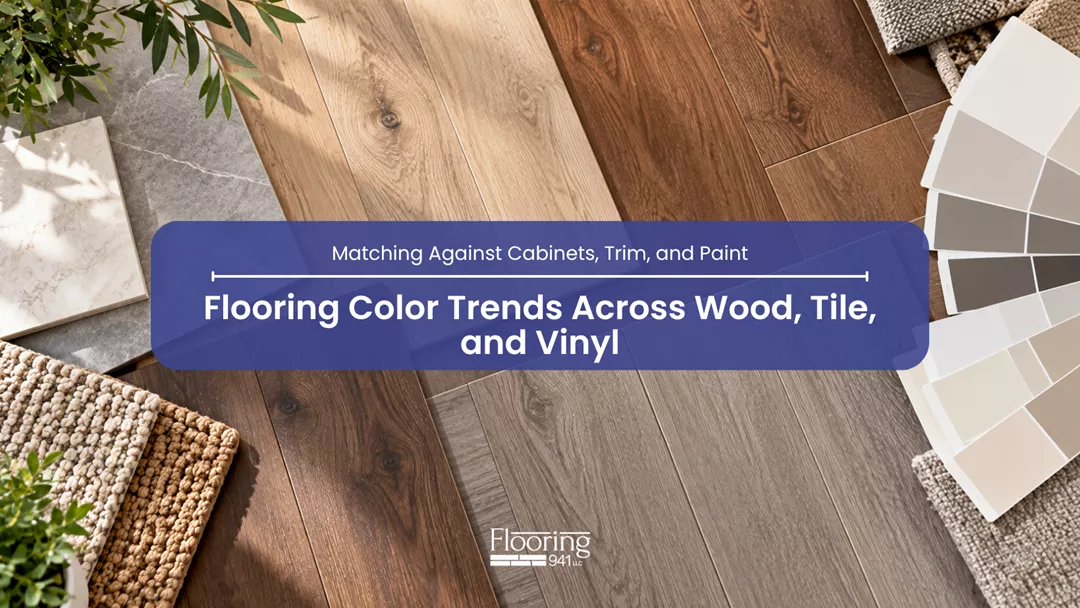
A completely uniform, flat gray tone is one of the more common reasons gray flooring ends up reading as cheap or generic, since it lacks the visual depth that makes natural materials feel authentic. Choosing a gray option with visible texture, subtle color variation, or grain detail, whether in real wood, engineered hardwood, or a quality vinyl product, keeps the floor feeling considered rather than flat.
4. Gray Paired With Warm Wood Accents for Balance
Combining gray flooring with warm wood elements elsewhere, trim, furniture, or an accent wall, creates a deliberate contrast that keeps an entire room from feeling monochromatic or cold. This pairing has become genuinely popular specifically because it lets a home feel modern without losing warmth entirely, which is a common concern homeowners have before committing to gray.
How to Choose the Right Gray Undertone for Your Home
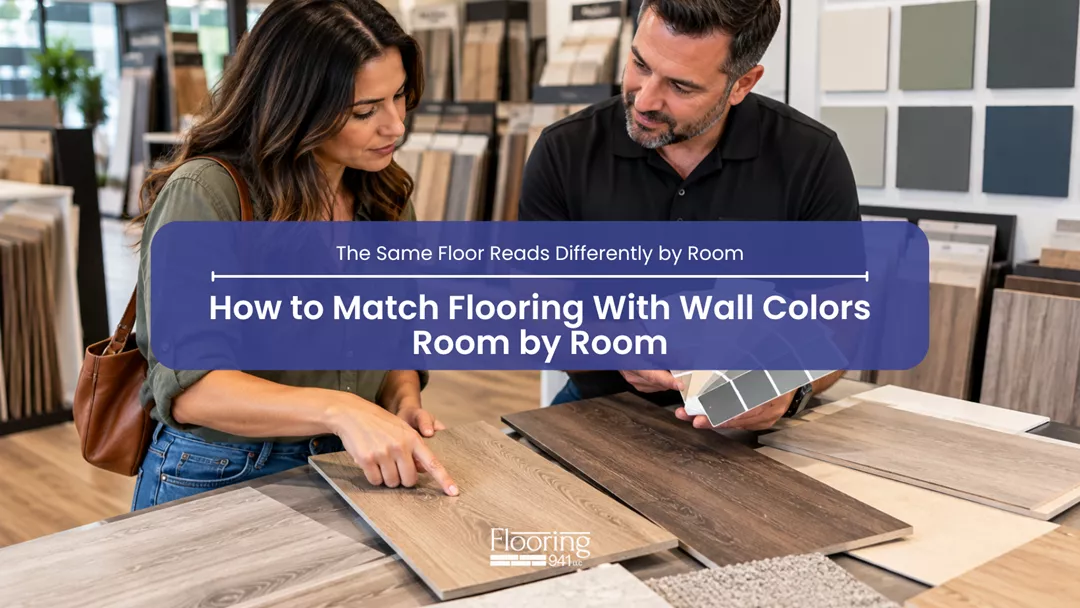
- Look at your existing wall color, trim, and any fixed elements like cabinetry to identify whether your home leans warm or cool overall
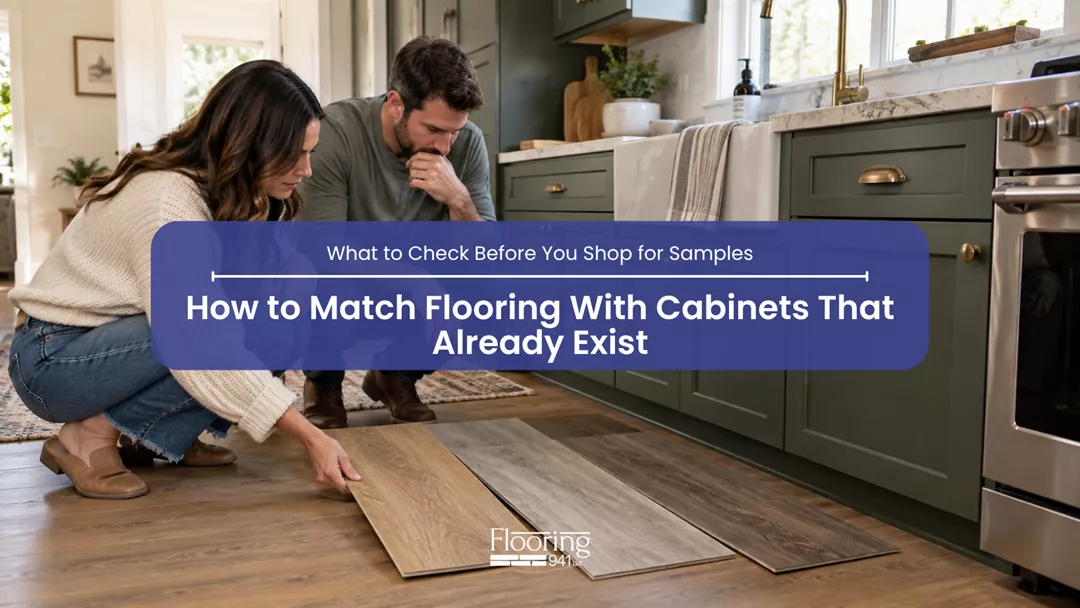
- Bring physical flooring samples into your actual space rather than judging tone from a small swatch or a photo online
- View samples at different times of day, since natural light changes how a gray tone reads throughout the day
- Consider what you’re not changing, like existing countertops or built-in cabinetry, and match the floor’s undertone to those fixed elements first
How to Avoid the Washed-Out, Generic Gray Look
Beyond undertone, avoiding an overly flat, low-contrast gray with no visible texture is the other major factor in whether gray flooring looks intentional or generic. Materials with genuine grain variation or texture, rather than a completely smooth, uniform surface, tend to photograph and read as more considered.
If you’re exploring a vinyl option specifically, understanding what luxury vinyl is and how it’s constructed can help you evaluate whether a specific gray product has the texture and depth needed to avoid that flat, artificial look.
How Does This Fit Into the Broader Modern Trend?
Gray is one of the more common color expressions of the broader shift toward lower-contrast, monochromatic flooring palettes, though it’s specifically the neutral, color-focused piece of that larger movement rather than the whole picture. Homeowners drawn to gray are often responding to the same underlying design principles behind the broader modern, minimalist flooring movement, just expressed through this particular neutral tone rather than through scale, finish, or material choice alone.
Frequently Asked Questions
How do I know if I should choose warm or cool gray?
Look at your home’s existing fixed elements, cabinetry, trim, countertops, and match the floor’s undertone to whichever direction those elements already lean, warm or cool, rather than choosing gray in isolation.
Does gray flooring go out of style faster than other neutral tones?
Very flat, stark cool grays carry somewhat more trend risk than warmer, more textured gray tones, though gray as a general category has shown reasonably broad, lasting appeal compared to more narrowly trend-driven colors.
Can gray flooring work with warm-toned wood furniture?
Yes, and this pairing is quite popular specifically because it balances gray’s coolness with warmth elsewhere in the room, creating a more livable, less stark overall look.
Is gray flooring harder to keep clean than other colors?
This depends more on the specific shade and finish than gray as a category. Some grays show dust and pet hair more visibly, similar to very light or very dark tones, while medium grays with texture tend to camouflage daily wear reasonably well.
What’s the biggest mistake people make when choosing gray flooring?
Choosing a flat, uniform gray without considering undertone or texture is the most common issue, since it’s what tends to make gray flooring read as generic rather than intentional.
Choosing Gray With Intention, Not by Default
Gray flooring ideas work best when undertone and texture are chosen deliberately rather than treated as an afterthought. Matching warm or cool gray to your home’s existing tones, and choosing a material with genuine texture rather than a flat, uniform surface, are what separate a gray floor that looks considered from one that reads as generic.
If you’re drawn to gray, bringing physical samples into your own space, viewed at different times of day, is worth doing before committing to a specific shade.
It’s Time to Try Gray Flooring for Your Home. Call Flooring 941 to Make It Happen.
Flooring 941 can bring both warm and cool gray samples to your space so you can see exactly which undertone fits your existing colors and lighting. Call (941) 462-5316 or contact us for a free on-site estimate today.